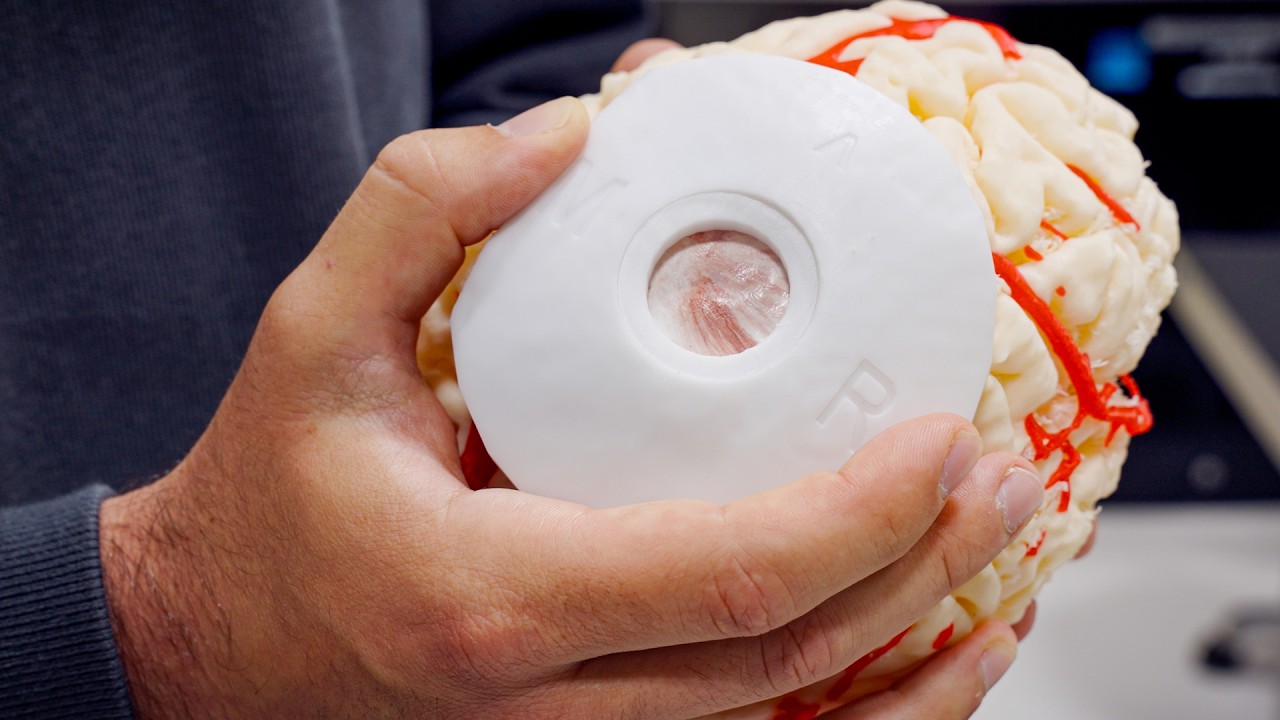
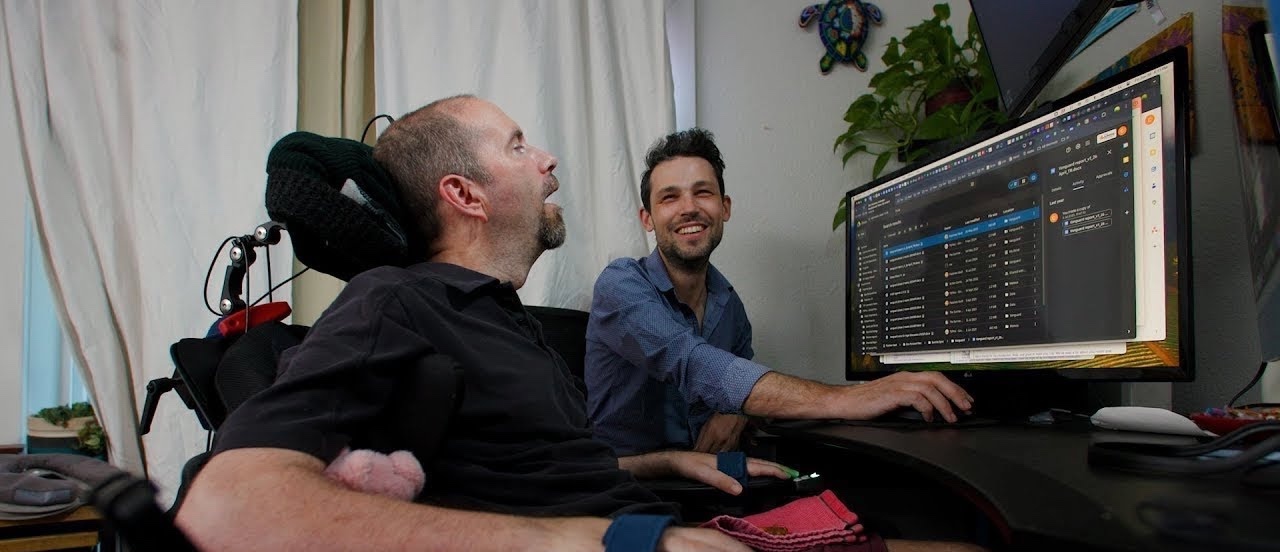
Casey Harrell knew what he wanted to say. That was never the problem. Amyotrophic lateral sclerosis had taken the muscles of his throat and mouth, the ones that turn a thought into a spoken word, but it had left the part of his brain that plans the movement entirely intact. He sat, in other words, with a fully formed sentence and no way to release it, like a man shouting behind soundproof glass. In the summer of 2024 a team at the University of California, Davis put a sensor into that planning region of his brain, connected it to a computer, and the glass came down. Within minutes of switching the system on, Harrell was speaking to the room in his own voice. It is one of the most consequential results in modern medicine, and to understand why, you have to understand exactly what the machine is listening to.
Your free preview ends here
Keep reading with a free account
Sign up and redeem two free articles per month. No credit card required.
Already a member? Log in