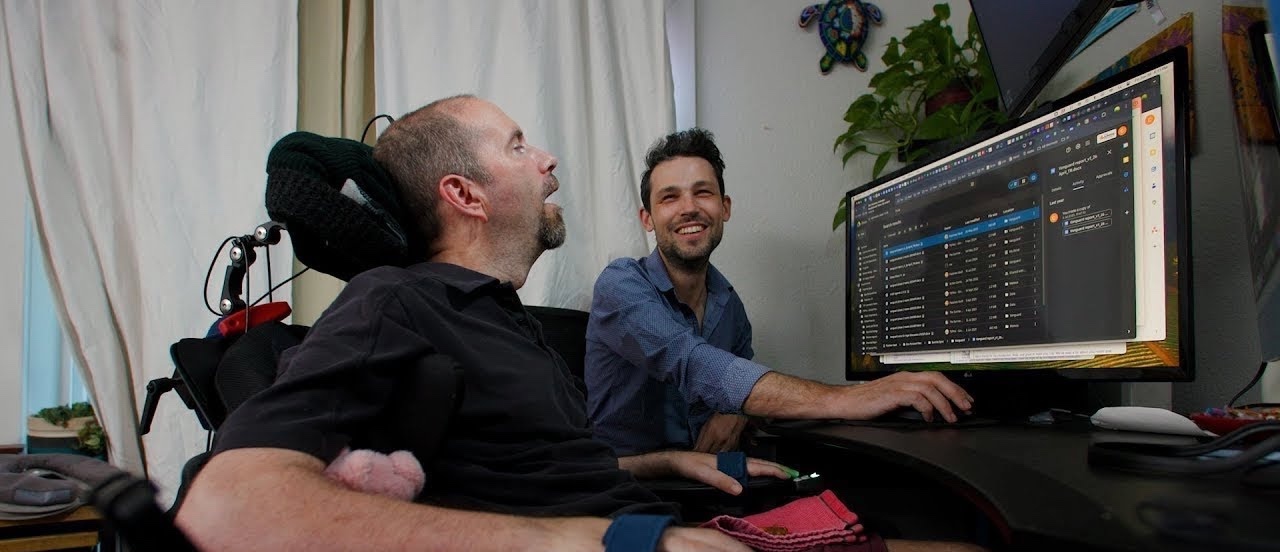
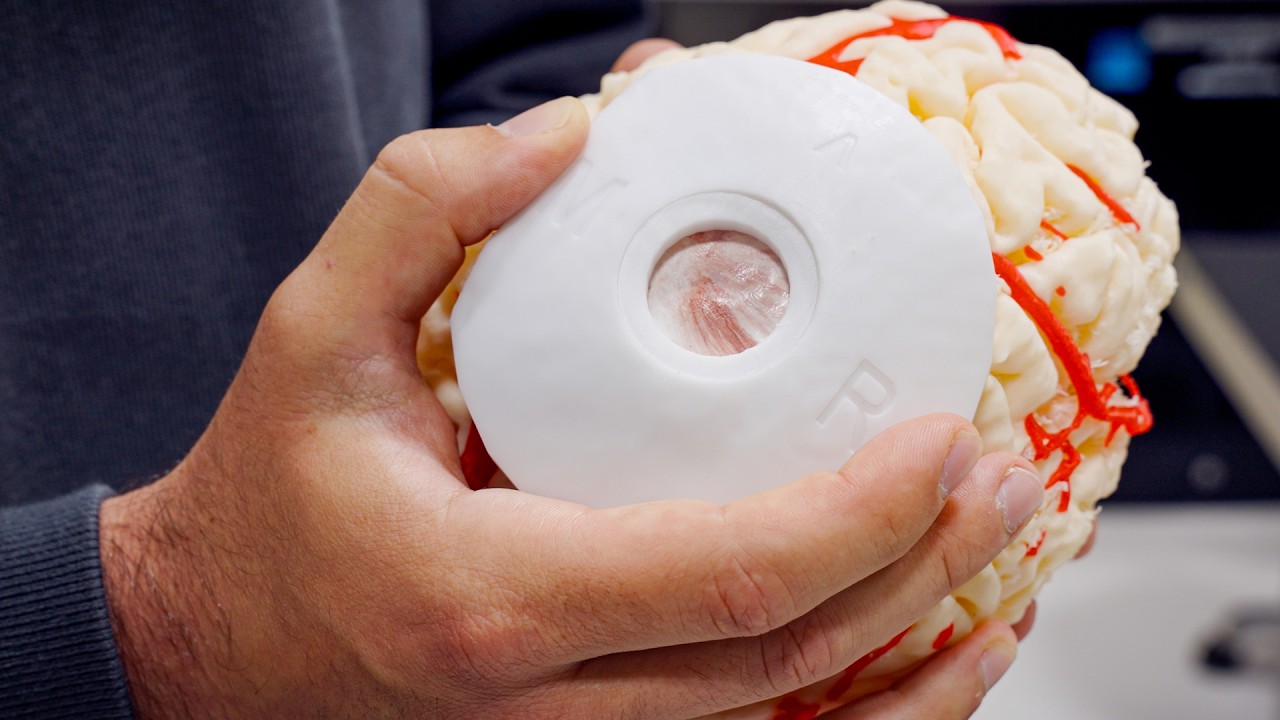
Until now, getting a Neuralink implant meant accepting one of surgery's more unnerving trade-offs. To place its hair-thin electrode threads into the cortex, the company's R1 robot needed a clear path to the brain, which meant removing a coin-sized piece of skull and cutting open the dura, the tough protective membrane that seals the brain off from the outside world. The threads are gentle; the access route was not. In the spring of 2026 the company said it had done away with that step, threading electrodes straight through the intact membrane for the first time. It sounds like a detail of surgical technique. It is closer to the difference between a prototype and a product.
Your free preview ends here
Keep reading with a free account
Sign up and redeem two free articles per month. No credit card required.
Already a member? Log in